


Hazardous substances, including lead, mercury, and cadmium are found in e-waste, and if improperly treated, they may present serious threats to human health and the environment. Some regulations and standards prohibit a certain amount of these substances to ensure that devices are more sustainable. When these hazardous materials are disposed of incorrectly, they can contaminate ecosystems and even endanger human health by seeping into soil and water. Additionally, valuable resources, including rare earth elements and precious metals like gold, silver, and palladium may be found in e-waste. Whilst lowering environmental concerns, recycling and reusing these parts helps preserve natural resources and reduces the necessity for mining and the exploitation of raw materials.
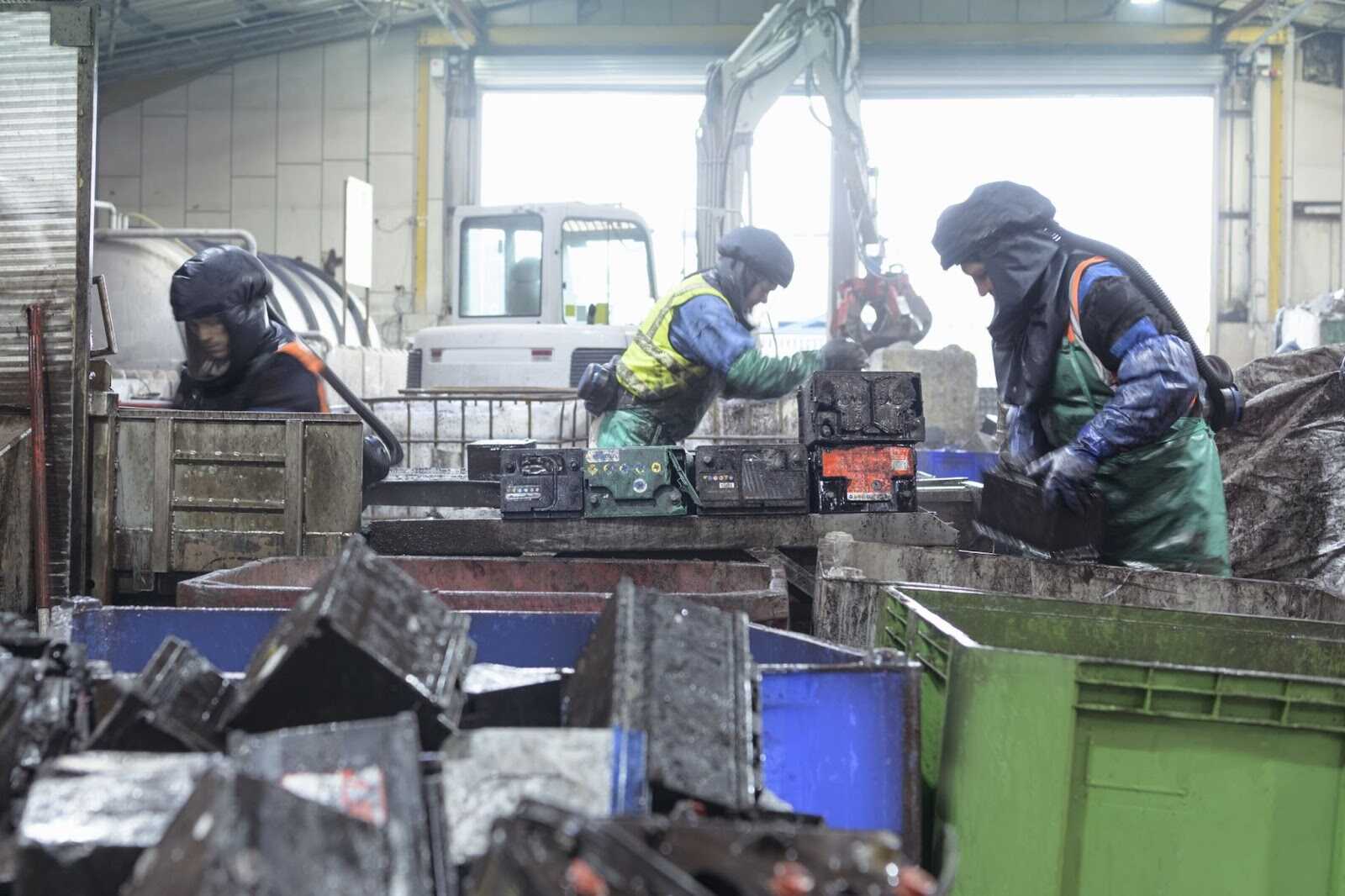
Electronic component recycling consists of many steps, all of which are intended to effectively recover valuable materials while reducing their negative effects on the environment. Collection, disassembly, sorting, and processing are the main processes.
Electronic component recycling and reuse have several positive environmental, social, and economic effects.
The decrease in environmental pollution is the main benefit of recycling and repurposing e-waste. These procedures aid in the preservation of public health and ecosystems by keeping dangerous materials from leaking into the environment and diverting e-waste from landfills. Recycling also minimises habitat degradation and biodiversity loss by lowering the demand for raw material extraction, which protects natural resources.
Repurposing initiatives that bridge the digital gap, including fixing and donating equipment, support social fairness. Technology is necessary for communication, education, and employment, and giving reconditioned equipment to underprivileged areas might improve their quality of life. Additionally, innovative upcycling initiatives may promote community involvement and increase understanding of the value of sustainability.
E-waste recycling and repurposing might lead to business opportunities. Employment in processing, disassembly, and collection are produced by the recycling sector. Furthermore, since it lowers the need for pricey raw materials, recovering valuable components from e-waste may be profitable. Consumers may find more cheap options with refurbished devices, which encourages economic inclusion.
.jpg)
Recycling and reusing e-waste presents a number of problems despite the many advantages. One significant barrier is the variety and complexity of electronic gadgets, which makes it challenging to implement standardised recycling procedures. Hazardous materials also necessitate strict safety precautions and regulatory compliance. Increased public engagement and knowledge of e-waste recycling initiatives are also necessary.
Numerous actions may be taken to alleviate these issues. Stricter rules on the handling of e-waste should be implemented by governments and legislators, and recycling and repurposing initiatives should be encouraged. Investing in cutting-edge recycling technology can increase material recovery’s efficacy and efficiency. Public education initiatives may promote appropriate disposal methods and increase knowledge of the value of recycling e-waste.
Reusing and recycling electronic parts is essential to reducing the negative effects that e-waste has on the environment and human health. Resource conservation, economic prosperity, and social fairness are promoted by these activities, which also prolong the life of electronic gadgets and recover precious materials. We must embrace sustainable practices to handle e-waste and save the environment for future generations as technology advances. Governments, businesses, and individuals can work together to turn e-waste from an increasing issue into a useful resource that will help create a fairer and more sustainable society.
Author Jack Portley